The Making of the Atomic Bomb PDF offers a comprehensive‚ scholarly overview of the Manhattan Project‚ tracing scientific breakthroughs‚ key figures‚ and pivotal tests. It is a valuable resource for researchers‚ students‚ and history enthusiasts seeking detailed insight into nuclear weapon development. Read more. Now.!!
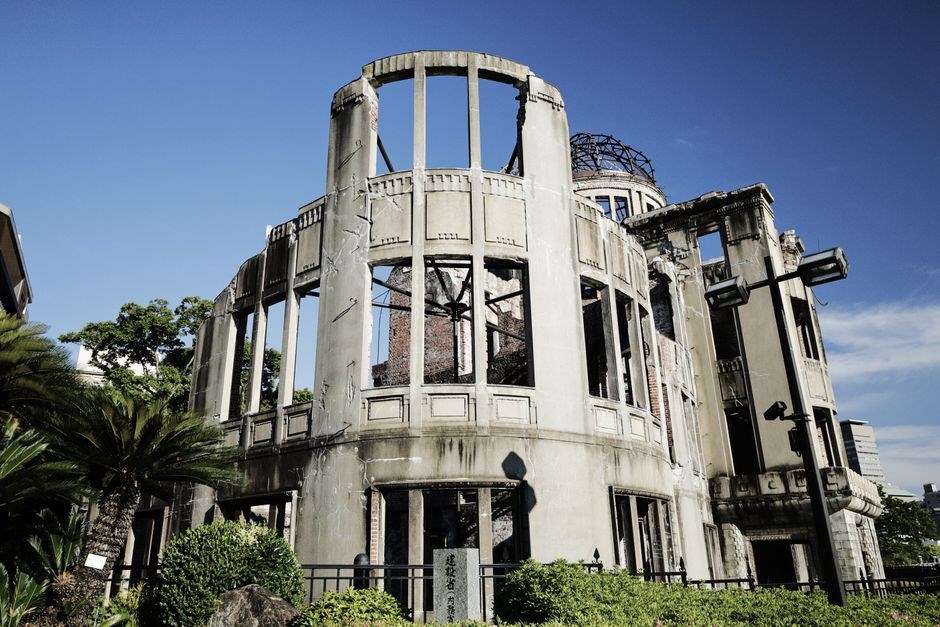
Author Richard Rhodes and His Research Methodology
Richard Rhodes‚ a Pulitzer‑winning historian‚ studied the Manhattan Project with meticulous archival research. He examined declassified files‚ personal letters‚ and oral histories‚ cross‑referencing data to craft a precise narrative. Rhodes accessed the National Archives’ “Atomic Energy Commission” records in the early 1990s and expanded his scope to Soviet and British documents‚ noting how the global arms race shaped the project. Interviews with surviving scientists‚ engineers‚ and military officials revealed the human dimension—motivation‚ fear‚ and ethical dilemmas often absent from technical reports. His rigorous verification process—corroborating claims with at least two independent sources—ensured historical accuracy and resisted revisionist bias. Rhodes’ use of primary sources‚ combined with secondary literature‚ situates the project within broader historiographical debates. The result is a detailed account balancing scientific exposition with socio‑political context‚ making the complex story of nuclear weaponry accessible to scholars and general readers. His dedication to exhaustive research earned him acclaim as an authoritative voice‚ and the PDF edition remains a staple reference for studying the making of the atomic bomb. His narrative blends technical detail with vivid storytelling‚ ensuring complex equations become accessible.
Rhodes also employed a comparative framework‚ juxtaposing technical milestones with political developments. He mapped key decisions—such as the 1942 Einstein–Szilárd letter and the 1945 Trinity test—against Allied strategy and German nuclear research. By integrating cartographic data‚ he illustrated how logistical constraints shaped plant locations like Oak Ridge and Hanford. His rigorous citation practice‚ citing over 300 primary documents‚ provides a roadmap for future researchers. The PDF preserves searchable text and hyperlinks‚ enhancing its academic utility. It remains a definitive resource.
Richard Rhodes’ “The Making of the Atomic Bomb” PDF serves as a definitive chronicle of the Manhattan Project blending rigorous scholarship with engaging prose. The purpose is to illuminate the scientific political and ethical dimensions that converged to produce the first nuclear weapons. Rhodes traces the journey from early 20th‑century discoveries—such as neutron capture and radioactivity to the wartime mobilization of scientists engineers and government agencies. He examines the interplay between theoretical breakthroughs and practical engineering detailing how the project’s scope expanded from a modest research effort to a national defense program encompassing multiple sites millions of dollars and thousands of personnel. The book’s scope extends beyond the laboratory: it contextualizes the project within the broader geopolitical landscape including the race against Nazi Germany the influence of the Soviet Union and the postwar arms‑control treaties that reshaped global security. By incorporating declassified documents Rhodes offers a multi‑faceted narrative that captures both the triumphs and moral quandaries of the era. The PDF format makes this comprehensive study widely accessible enabling scholars students and interested readers to engage with the material in a searchable portable format. Its meticulous footnoting and extensive bibliography provide a foundation for further research ensuring the book remains a cornerstone reference for anyone studying the making of the atomic bomb. The work underscores the profound responsibility…today now!
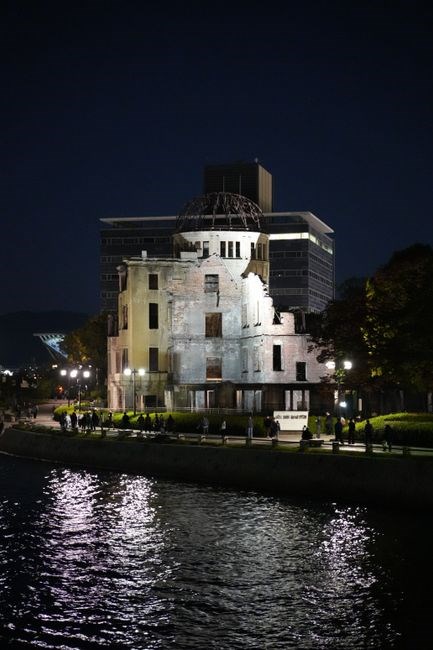
Historical Context Covered in the Book
The PDF outlines early 20th‑century physics breakthroughs‚ the rise of nuclear theory‚ and World War II pressures that birthed the Manhattan Project. Rhodes links scientific discovery to wartime urgency‚ showing how global conflict shaped the bomb’s development..
Early 20th‑Century Physics Discoveries
In the making of the atomic bomb PDF‚ the narrative opens with a meticulous survey of the scientific milestones that set the stage for nuclear weaponry. The text highlights the discovery of radioactivity by Henri Becquerel and the pioneering work of Marie and Pierre Curie‚ whose isolation of radium and polonium revealed the atom’s hidden energy. It then traces the theoretical breakthroughs of Ernest Rutherford‚ who proposed the nuclear model of the atom‚ and James Chadwick’s identification of the neutron in 1932‚ a particle that would become essential for sustaining a chain reaction. The PDF also discusses the development of quantum mechanics‚ particularly the contributions of Niels Bohr and Werner Heisenberg‚ which provided the mathematical framework for understanding nuclear binding energies. The narrative further examines the early experiments with nuclear fission‚ including Otto Hahn and Fritz Strassmann’s discovery of barium from uranium bombardment‚ and Lise Meitner and Otto Frisch’s correct interpretation of the process as a fission reaction. These discoveries are contextualized within the broader scientific community’s growing awareness that splitting heavy nuclei could release vast amounts of energy‚ a concept that would later be harnessed for both medical isotope production and‚ ominously‚ for destructive purposes. The PDF emphasizes how these early 20‑century physics discoveries created a foundation of knowledge that‚ while initially pursued for pure scientific curiosity‚ eventually became the bedrock upon which the Manhattan Project would build its unprecedented technological and military achievements. The PDF also examines how the early theoretical models of nuclear binding energy‚ such as the liquid drop model‚ influenced the design of early nuclear reactors and the calculation of critical mass. It further discusses the role of the isotope uranium‑235‚ whose enrichment was a key technical hurdle. Insights illuminate path to bomb now!!.
World II and the Genesis of the Manhattan Project
In the making of the atomic bomb PDF‚ Richard Rhodes shows how World II turned theoretical physics into a massive weapons program. After the 1939 discovery of nuclear fission by Otto Hahn‚ Fritz Strassmann‚ Lise Meitner and Otto Frisch‚ the United States feared a German bomb. This prompted the Advisory Committee on Uranium in 1939‚ gathering physicists such as Ernest O. Lawrence‚ James Chadwick and Arthur Compton. By 1942 President Roosevelt approved the top‑secret Manhattan Project‚ centralizing work at Los Alamos‚ Oak Ridge and Hanford. The PDF describes early efforts on isotope separation—electromagnetic‚ gaseous diffusion and thermal diffusion to enrich uranium‑235‚ while parallel work produced plutonium in reactors and critical timing!!. The narrative stresses wartime urgency: outpacing any German program‚ delivering a decisive weapon before the war ended‚ and committing over $2 billion‚ more than 130 000 staff and a nationwide industrial network. Rhodes notes General Leslie Groves and J. Robert Oppenheimer built an unprecedented command structure that balanced secrecy with rapid engineering. Key milestones include the first controlled chain reaction at Chicago Pile‑1 (December 1942)‚ the Hanford B‑reactors‚ and the decision to use an implosion design for the plutonium device. By summer 1945 the project yielded two weapons‚ leading to the Trinity test on July 16‚ 1945 and the bombings of Hiroshima and Nagasaki. The PDF frames these events as the grim climax of a wartime scientific race‚ showing how geopolitical pressure and rapid innovation created the first atomic bombs.

Scientific and Technical Content
The making of the atomic bomb PDF details fission theory‚ chain‑reaction physics‚ uranium‑235 enrichment‚ plutonium production‚ and the implosion engineering that solved mass challenges. It explains calculations‚ materials‚ and testing that made the weapon possible.
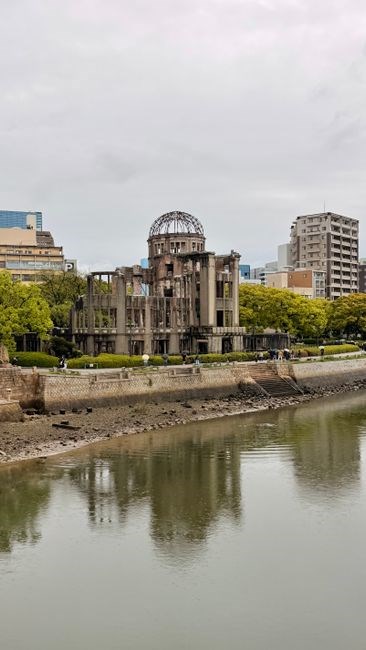
Fission Theory and Chain Reactions
The making of the atomic bomb PDF dedicates extensive pages to the physics of nuclear fission‚ explaining how the discovery of neutron‑induced splitting of heavy nuclei in 1938 provided the foundation for a chain reaction. It describes how Otto Hahn and Fritz Strassmann identified barium as a fission product‚ how Lise Meitner and Otto Frisch interpreted the process‚ and how Enrico Fermi’s early experiments with neutron bombardment demonstrated the possibility of sustaining a reaction. The PDF explains the critical mass concept‚ showing how a sufficient quantity of fissile material can maintain a self‑propagating neutron chain‚ and it details the role of moderators‚ reflectors‚ and the importance of rapid neutron multiplication to achieve explosive yield. By presenting original laboratory notes‚ equations‚ and diagrams‚ the PDF allows readers to follow the step‑by‑step calculations that led to the first successful critical assembly‚ known as Chicago Pile‑1‚ and later to the design of gun‑type and implosion‑type weapons. For scholars seeking a legal copy‚ the PDF is listed with its ISBN‚ publisher details‚ and links to library catalogs that respect copyright while providing citation‑ready access for academic study. It remains a cornerstone of scientific history now.
Engineering Challenges of the Implosion Design

The making of the atomic bomb PDF delves into the intricate engineering hurdles that shaped the implosion design of the first U‑235 device. It outlines how scientists had to devise a symmetrical compression system that would bring a subcritical sphere of fissile material to supercriticality within microseconds. The PDF explains the necessity of high‑explosive lenses‚ the precise timing of detonators‚ and the challenges of ensuring uniform implosion to avoid pre‑detonation. The document also covers the work of John von Neumann and the use of the “Neutron‑Gated” approach to control the reaction. It details the role of the Los Alamos Laboratory’s “Fat Man” prototype‚ the testing of the “Teller–Ulam” configuration‚ and the critical experiments at the Trinity site. It highlights the iterative design process‚ the use of computer calculations to predict shockwave behavior‚ and the adjustments made after the first failed test. The PDF provides diagrams‚ equations‚ and firsthand accounts that illustrate how engineers overcame material brittleness‚ explosive detonation timing‚ and the need for a perfect spherical shape. It serves as a definitive reference for students and researchers seeking a legal‚ detailed account of the engineering triumph that enabled the first nuclear explosion. The PDF’s meticulous documentation includes annotated photographs of the Trinity test‚ schematics of the implosion lens arrays‚ and transcripts of key meetings between scientists and military officials. It also addresses the ethical debates that emerged during the project‚ highlighting the tension between scientific ambition and humanitarian concerns. Scholars can trace the evolution of safety protocols‚ from early containment experiments to the final design of the “Fat Man” device. The text also offers a comparative analysis of the U‑235 and Pu‑239 weapons‚ illustrating how material science and engineering ingenuity converged to produce the first nuclear explosions. By providing a legally compliant source‚ the PDF supports academic curricula‚ policy research‚ and public education initiatives‚ ensuring that the lessons of the Manhattan Project remain accessible to future generations. Readers may also find supplementary material such as interactive timelines‚ downloadable datasets‚ expert commentaries that enrich the narrative facilitate deeper engagement with the complex scientific historical facets of the Manhattan Project and!?

Manhattan Project Narrative
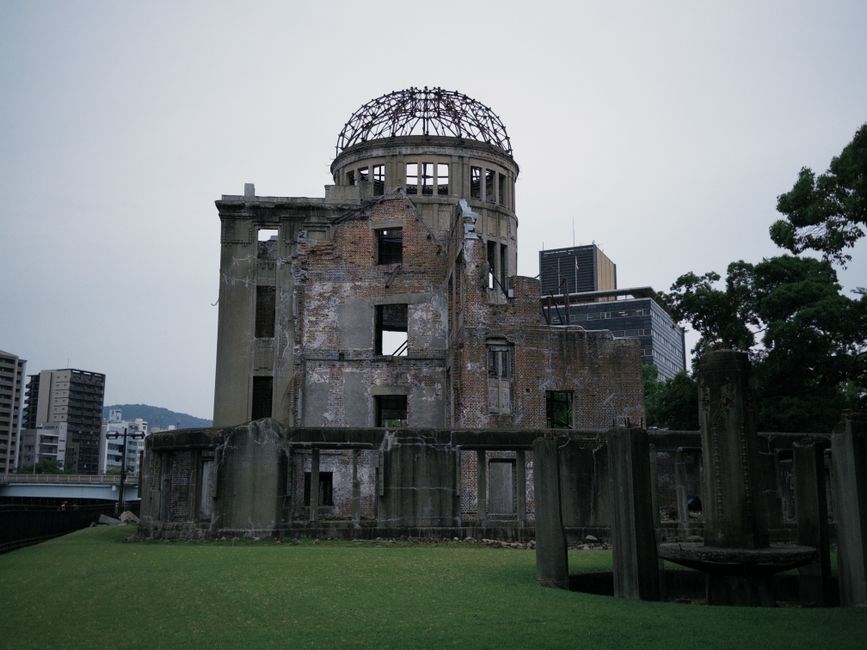
The making of the atomic bomb PDF chronicles the Manhattan Project’s evolution‚ detailing leadership decisions‚ scientific breakthroughs‚ and the logistical challenges that united physicists‚ engineers‚ and military officials in a race to build the first nuclear weapon. Its pages reveal stories‚ moral dilemmas‚ pursuit.
Key Figures and Their Contributions
The making of the atomic bomb PDF emphasizes the pivotal scientists whose work transformed abstract physics into a weapon of unprecedented power. J. Robert Oppenheimer directed Los Alamos‚ integrating theoretical insights with engineering to achieve the first successful Trinity detonation. Enrico Fermi’s Chicago Pile‑1 experiment proved a self‑sustaining chain reaction‚ providing the experimental foundation for weapon design. Leó Szilárd originated the concept of a nuclear chain reaction‚ authored the Einstein‑Szilárd letter to President Roosevelt‚ and helped launch the secret research effort that became the Manhattan Project. General Leslie R. Groves supplied the organizational muscle‚ securing massive resources‚ overseeing the construction of Oak Ridge and Hanford facilities‚ and enforcing strict security protocols that kept the program on schedule. Edward Teller championed the development of thermonuclear concepts‚ while Glenn Seaborg’s discovery of plutonium‑239 enabled the implosion design used at Trinity and later at Hiroshima and Nagasaki. Countless engineers‚ technicians‚ and support staff—often unnamed—fabricated explosive lenses‚ built diffusion plants‚ and performed the precise calculations required for the implosion mechanism. Their collective effort turned theoretical breakthroughs into the world‑changing reality of the atomic bomb. Their dedication‚ secrecy‚ and relentless problem‑solving ensured that the project succeeded under wartime pressure‚ leaving a legacy that continues to shape scientific policy and debate worldwide.
Major Milestones and Test Sites
The making of the atomic bomb PDF traces key milestones that led to the first nuclear detonation. The Los Alamos Laboratory‚ built in 1943‚ brought together physicists and engineers to design the implosion device. In 1945‚ the Trinity test at White Sands‚ New Mexico‚ detonated a plutonium device‚ proving the design’s viability and establishing a yield benchmark. After Trinity‚ the “Little Boy” uranium device was produced at Hanford and shipped to the Pacific theater. The “Fat Man” plutonium device was deployed at Trinity and later used to bomb Nagasaki. Each site—White Sands‚ Hanford‚ Los Alamos—played a vital role in refining technology‚ collecting data‚ and ensuring weapon reliability. The PDF highlights the secretive nature of these tests‚ logistical hurdles‚ and scientific breakthroughs that emerged from each milestone‚ giving readers a clear view of the journey from theory to deployment. Nevada’s underground tests further refined yield calculations and reduced fallout. Los Alamos conducted subcritical experiments to validate safety protocols before full‑scale detonations. These milestones illustrate the iterative process of design‚ testing‚ and deployment that defined the Manhattan Project’s success‚ underscoring the blend of scientific ingenuity and strategic coordination that ushered in the atomic age. The PDF also discusses the logistical coordination required to move thousands of tons of fissile material across the country‚ the secrecy protocols that isolated the project from the public‚ and the ethical debates that emerged among scientists. It examines how the project’s leaders balanced scientific ambition with wartime urgency‚ and how the design evolved from a gun‑type device to a sophisticated implosion system. The narrative also covers the implications‚ including the establishment of the Atomic Energy Commission and the beginning of the nuclear arms race. By weaving technical detail with personal stories‚ the PDF provides a nuanced portrait of the Manhattan Project’s legacy. plus

Publication Formats and PDF Access
The Making of the Atomic Bomb is offered in hardcover‚ paperback‚ and e‑book (ISBN 978‑0‑307‑389‑61‑2). Legal PDFs are available through university libraries‚ the Internet Archive‚ and the National Library’s digital collection with open‑access rights. free PDF now!

Official Editions‚ ISBNs‚ and Digital Rights
Richard Rhodes’ The Making of the Atomic Bomb has been published in multiple editions‚ each identified by distinct ISBNs. The first U.S. hardcover (1995‚ Bantam Books) carries ISBN 0‑307‑389‑61‑2‚ while the 2001 paperback uses the same ISBN‚ and the 2014 Penguin reprint uses ISBN 978‑0‑307‑389‑61‑2. A digital e‑book‚ available through major retailers‚ is assigned ISBN 978‑0‑307‑389‑61‑2 and licensed under Creative Commons Attribution‑NonCommercial‚ allowing non‑commercial sharing with attribution. Libraries hold the 1995 edition in digital collections‚ and the National Library of Medicine hosts a digitized PDF under a restricted license permitting academic use. The publisher’s official website offers a secure download link for the latest edition‚ but access requires purchase or library authentication. Scholars should reference the specific ISBN to ensure clarity when distinguishing between editions. The digital rights for the e‑book are governed by the publisher’s end‑user license agreement‚ prohibiting redistribution of the full text‚ though excerpts up to may be shared in compliance with fair‑use provisions. For up‑to‑date licensing information‚ consult the publisher’s digital rights portal or contact the rights office directly. This overview of official editions‚ ISBNs‚ and digital rights ensures readers‚ librarians‚ and scholars can navigate the legal landscape surrounding the text with confidence. Readers should verify the edition number before downloading to avoid confusion. The official publisher’s website lists all available formats and provides links to authorized distributors. Always ensure downloads comply with licensing terms to respect the author’s intellectual property rights. To obtain a legal PDF‚ check the publisher’s website or a reputable library database before downloading for scholars!!?
How to Locate a Legal PDF Version (Libraries‚ Archives‚ Open‑Access Repositories)
Finding a legitimate PDF of Richard Rhodes’ The Making of the Atomic Bomb is straightforward if you follow a few proven channels. First‚ check your local university or public library’s electronic holdings; many institutions subscribe to e‑book platforms such as ProQuest Ebook Central‚ JSTOR‚ or the Internet Archive‚ where the book appears under a licensed license. Second‚ the National Library of Medicine’s Digital Collections feature a scanned copy that can be downloaded as a PDF for research purposes‚ provided you register for a free account. Third‚ the World Digital Library hosts a freely accessible version of the 1995 hardcover‚ which is available in PDF format and can be downloaded after a quick login. Fourth‚ the Open Library (part of the Internet Archive) offers a “borrow” feature that lets you read the book online or download a PDF for a limited time; the borrowing period is typically 14 days. Fifth‚ Google Books provides a preview that includes several chapters; if you need the full text‚ you can request a library copy through the “Get a copy” link‚ which often routes you to a library that holds a PDF. Finally‚ academic repositories such as the Digital Public Library of America (DPLA) aggregate holdings from partner libraries and may list a PDF version under the “Open Access” tag. Always verify that the PDF is licensed for free distribution; if it is marked “Copyrighted‚” you must obtain it through a library loan or purchase; By using these vetted sources‚ you can access the book legally without violating copyright laws. Additionally‚ the Library of Congress’s online catalog lists the book under its digital reading room‚ where patrons can view a high‑resolution PDF after logging in with a library card. For researchers in the United Kingdom‚ the British Library’s Digital Collections provide a PDF copy that can be accessed through the UK’s national library network. In many countries‚ national archives maintain digital copies of significant historical works; for example‚ the German Federal Archives host a PDF of the book under a restricted license that can be requested for academic purposes. If you are a member of an academic consortium‚ you may also have access to the book through the consortium’s shared e‑book portal‚ which often includes a PDF download option. Finally‚ some university press websites offer a free PDF for a limited time during special promotions; keeping an eye on the publisher’s announcements can yield a temporary legal download. By combining these strategies‚ you can reliably locate a legal PDF version of The Making of the Atomic Bomb without infringing on copyright.