PWD Grooming Guide: A Comprehensive Plan
Welcome to the ultimate guide for keeping your Poodle-Whipped Doodle looking and feeling fantastic! This resource details everything needed for a healthy, happy coat.
Embarking on the journey of Poodle-Whipped Doodle (PWD) ownership is wonderfully rewarding, but it comes with the delightful responsibility of dedicated grooming. These intelligent and energetic companions boast a unique coat that requires consistent care to prevent matting and maintain optimal health. Understanding the specific needs of the PWD coat is paramount for both their comfort and your peace of mind.
This section will lay the foundation for successful grooming practices. We’ll delve into what exactly defines a PWD, exploring their lineage and the characteristics that make them so special. More importantly, we’ll highlight why grooming isn’t merely cosmetic for these dogs – it’s a vital component of their overall well-being. Neglecting grooming can lead to painful matting, skin irritations, and even infections.
Finally, we’ll break down the intricacies of the PWD coat type itself. Is it more akin to a Poodle’s or a Doodle’s? What texture can you expect, and how does that influence your grooming approach? Knowing these details will empower you to choose the right tools and techniques for a beautifully maintained PWD.
A. What is a PWD? (Poodle-Whipped Doodle)
The Poodle-Whipped Doodle, affectionately known as a PWD, is a captivating hybrid breed gaining immense popularity. They are a cross between a Standard Poodle and a Whippet, resulting in a unique blend of intelligence, athleticism, and a surprisingly soft, wavy coat. This combination aims to capture the hypoallergenic qualities and trainability of the Poodle with the Whippet’s sleek build and gentle temperament.
PWDs typically stand between 18-22 inches tall and weigh 40-60 pounds, though variations exist; Their appearance can differ, with some inheriting a tighter curl from the Poodle side and others displaying looser waves. Color variations are also diverse, ranging from solid colors like black, white, and apricot to parti-colors and phantom markings.
Beyond their physical attributes, PWDs are known for their playful and affectionate nature. They thrive on human companionship and excel in activities like agility, lure coursing, and obedience training. Understanding their energetic background is crucial, as it influences their grooming needs – a well-groomed PWD is a happy, active PWD!
B. Why Grooming is Crucial for PWDs
Regular grooming isn’t merely cosmetic for Poodle-Whipped Doodles; it’s absolutely essential for their health and well-being. Their unique coat, while beautiful, is prone to matting and tangling due to its texture and length. Neglecting grooming can lead to painful mats close to the skin, causing irritation and even skin infections.
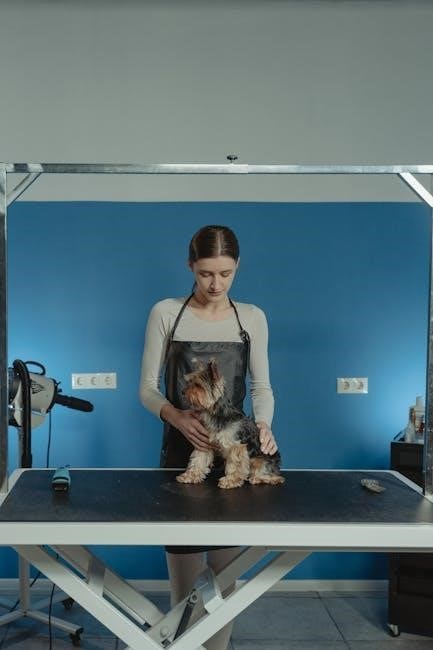
Beyond preventing mats, grooming allows for early detection of skin issues, parasites (like fleas and ticks), and any unusual lumps or bumps. Consistent brushing stimulates blood circulation, promoting a healthy coat and skin. Furthermore, maintaining proper hygiene – cleaning ears, trimming nails, and dental care – prevents infections and discomfort.
A well-groomed PWD is a comfortable PWD. Matting restricts movement and can cause significant pain. Proactive grooming builds a positive bond between you and your dog, making the process less stressful for both. Investing time in grooming is an investment in your PWD’s overall quality of life and longevity.
C. Understanding the PWD Coat Type
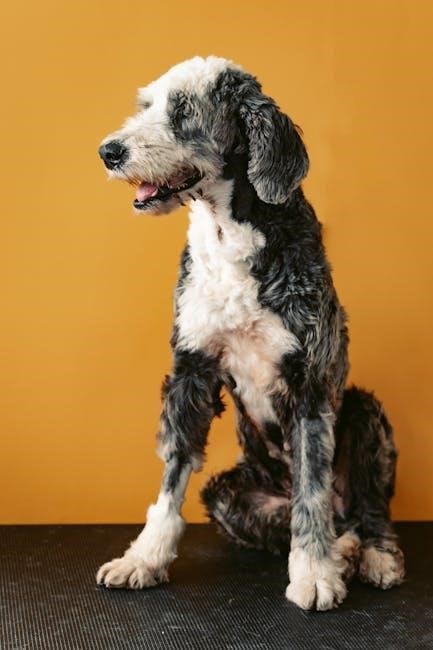
The Poodle-Whipped Doodle’s coat is a fascinating blend, inheriting traits from both Poodles and Wheaten Terriers, resulting in varied textures. It’s rarely predictable, even within the same litter! Generally, PWD coats range from wavy to curly, and can be soft and fluffy or wiry and dense.
Unlike a true Poodle’s tightly curled coat, the PWD often has a looser curl pattern. This makes it prone to matting if not properly maintained. The coat also has a tendency to hold onto dirt and debris, requiring regular bathing. Some PWDs have a single coat, while others have a double coat with a softer undercoat.
Understanding your individual PWD’s coat type is crucial for selecting the right grooming tools and techniques. A wiry coat may require different brushes than a softer, wavier coat. Regular observation will help you determine the best approach for keeping your dog’s coat healthy, tangle-free, and looking its best.
II. Essential Grooming Tools
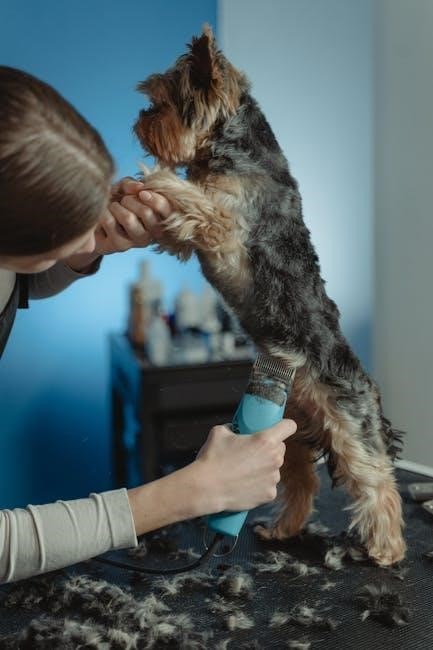
Investing in quality grooming tools is paramount for maintaining your PWD’s coat. Don’t skimp – the right tools make all the difference! A solid foundation includes several brush types. A slicker brush removes loose hair and minor tangles, while a pin brush distributes natural oils and adds shine.
An undercoat rake is invaluable if your PWD has a double coat, helping to remove shed undercoat and prevent matting. Metal combs, both wide and fine-toothed, are essential for detangling and checking for mats after brushing. A greyhound comb is excellent for fluffing the coat.
Clippers and blades are needed for body clips, and choosing the right blade length is key. Scissors – straight, curved, and thinning shears – allow for precise shaping and finishing. Finally, a PWD-specific shampoo and conditioner will cater to their unique coat needs, avoiding irritation and promoting a healthy, vibrant coat.
A. Brushes: Slicker, Pin, and Undercoat Rake
Brushes are the workhorses of PWD grooming, each serving a distinct purpose. The slicker brush, with its fine, angled wire bristles, excels at removing loose fur, dirt, and small mats. Use gentle strokes to avoid skin irritation; it’s ideal for daily maintenance. Look for one with a self-cleaning feature for easy hair removal.
A pin brush, featuring widely spaced pins, is fantastic for distributing natural oils throughout the coat, promoting shine and reducing static. It’s less effective on mats but great for a finishing touch after slicker brushing. Choose pins with rounded tips for comfort.
The undercoat rake is a lifesaver for PWDs with thicker undercoats. It penetrates the topcoat to remove loose undercoat, preventing painful matting and promoting airflow. Use it cautiously, as excessive use can damage the topcoat. Regular use during shedding season is highly recommended.
B. Combs: Metal and Greyhound
Combs are essential for detangling and ensuring a smooth, mat-free coat on your PWD. Metal combs, particularly stainless steel varieties, are incredibly durable and effective at navigating through dense or curly fur. They come in varying tooth spacing – wider teeth for general combing and finer teeth for precision work and detecting small mats.
A greyhound comb, characterized by its long, widely spaced teeth, is specifically designed for tackling tough tangles and mats without causing discomfort. Its unique design allows it to glide through the coat, gently separating knots. It’s particularly useful for areas prone to matting, like behind the ears and under the legs.
Always comb in the direction of hair growth, and be patient when encountering tangles. Using a detangling spray can aid the process. Regular combing, alongside brushing, is crucial for maintaining a healthy and manageable PWD coat, preventing painful matting and skin issues.
C. Clippers & Blades: Choosing the Right Size
Selecting the correct clippers and blades is paramount for achieving a safe and professional groom for your PWD. Invest in a quality clipper designed for thick, curly coats; a two-speed model offers versatility. Blade sizes are designated by numbers – the lower the number, the longer the hair left behind.
A #10 blade is commonly used for sanitary trims and paw pads, leaving very short hair. A #7F or #5F blade is popular for body clipping, offering a longer, fluffier finish. “F” blades are finishing blades, leaving a smoother result; For a longer coat, consider a #4F. Always start with a longer blade if unsure; you can always go shorter.
Blade maintenance is vital. Regularly oil and clean blades to ensure smooth operation and prevent overheating. Dull blades can pull the coat, causing discomfort. Remember to cool blades frequently during use to protect your PWD’s skin.
D. Scissors: Straight, Curved, and Thinning Shears
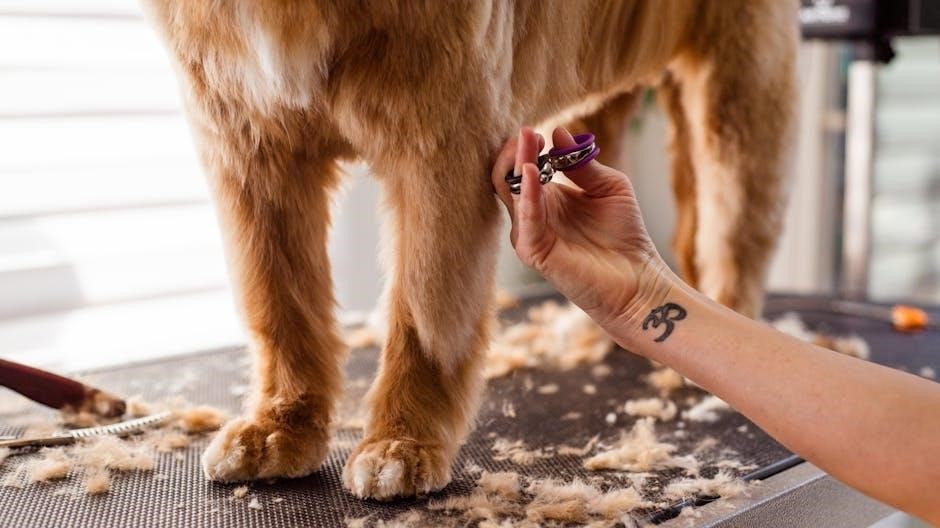
High-quality scissors are essential for refining a PWD’s groom and achieving a polished look. Three main types are crucial: straight, curved, and thinning shears. Straight shears are used for creating clean lines and shaping larger areas, like the body and legs. Look for shears with a comfortable grip and sharp blades.
Curved shears excel at sculpting rounded areas, such as the head, feet, and topknot. They follow the natural contours of the dog’s body, creating a softer, more natural finish. Thinning shears, also known as blenders, remove bulk and blend lines seamlessly. They’re perfect for softening harsh edges and creating texture.
Invest in professional-grade shears made from Japanese steel for durability and sharpness. Regularly sharpen your shears to maintain their performance. Proper scissor technique is key – always cut with the tips and avoid forcing the blades through the coat.
E. Shampoo & Conditioner: PWD Specific Formulas
Choosing the right shampoo and conditioner is paramount for a healthy PWD coat. Avoid harsh chemicals, sulfates, and parabens, as these can strip the coat of its natural oils and cause irritation. PWD-specific formulas are designed to address the unique needs of their curly, dense coats.
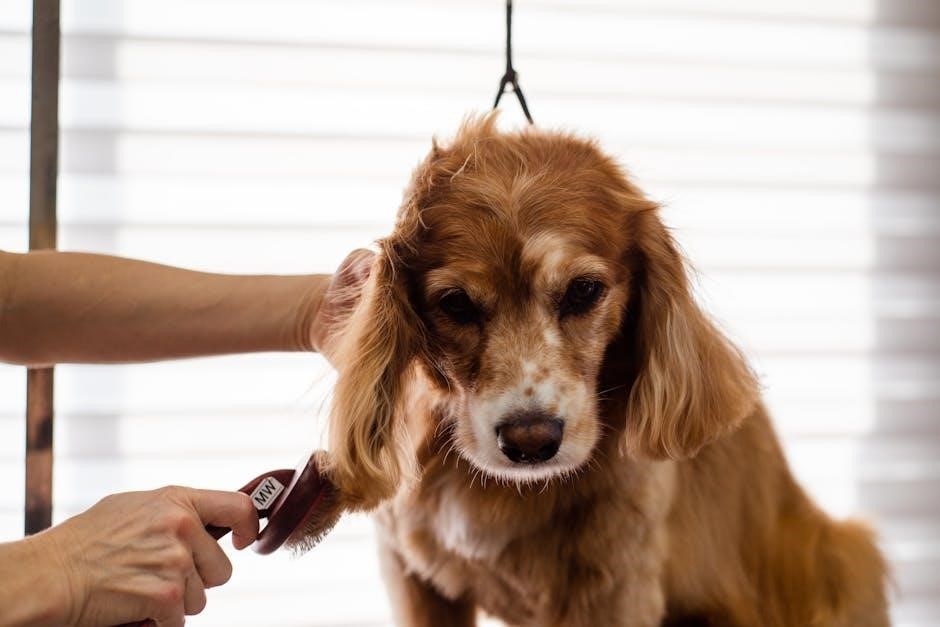
Look for shampoos that are moisturizing and hypoallergenic. Oatmeal-based shampoos are excellent for soothing sensitive skin. Consider a whitening shampoo if you want to enhance the brightness of your PWD’s coat. Conditioner is equally important; it replenishes moisture, detangles, and adds shine.
Leave-in conditioners can also be beneficial for managing tangles and maintaining coat health between baths. Always dilute shampoo before application to ensure even distribution. Thoroughly rinse both shampoo and conditioner to prevent residue buildup, which can cause skin irritation and a dull coat.
III. The Bathing Process
A successful bath sets the stage for a beautifully groomed PWD. Begin with a thorough pre-bath brushing to remove loose hair and detangle mats – this is crucial. Wet the coat completely with lukewarm water, avoiding excessively hot or cold temperatures. Apply diluted shampoo, working it into a rich lather from head to tail.
Pay close attention to areas prone to dirt accumulation, like the paws and underbelly. Gently massage the shampoo into the skin to stimulate circulation. Rinse, rinse, and rinse again! Residual shampoo causes irritation and a dull coat. Follow with conditioner, applying it evenly and allowing it to sit for the recommended time.
Post-bath drying is vital. Use a high-velocity dryer to remove excess water, fluff the coat, and prevent matting. Brush while drying to encourage proper curl formation. Avoid using a human hairdryer, as it can overheat and damage the coat.
A. Pre-Bath Brushing & Dematting
Before even thinking about water, a meticulous pre-bath brushing is non-negotiable for PWDs. Their curly coat is a magnet for mats and tangles, and water exacerbates these issues. Start with a slicker brush to remove loose debris and surface tangles, working in the direction of hair growth.
Next, employ an undercoat rake to address deeper tangles and remove shed undercoat. Be gentle! For stubborn mats, a dematting tool or detangling spray is your friend. Work in small sections, carefully separating the matted hair strand by strand. Avoid pulling, which causes pain and skin irritation.
If a mat is too severe to safely remove, carefully cut it out with blunt-tipped scissors, always being mindful of the skin underneath. Thorough pre-bath brushing minimizes the need for extensive dematting and ensures a smoother, more comfortable bathing experience for your PWD.
B. Water Temperature & Shampoo Application
Lukewarm water is the gold standard for bathing your PWD. Too hot can irritate their skin, while too cold won’t effectively cleanse the coat. Aim for a temperature similar to a baby’s bath – comfortably warm to the touch. Begin by thoroughly wetting the coat, ensuring the water penetrates down to the skin.
Now, it’s time for shampoo! Always use a shampoo specifically formulated for PWDs or dogs with sensitive skin. Dilute the shampoo with water (as per the product instructions) to ensure even distribution and prevent residue buildup. Apply the diluted shampoo, starting at the neck and working your way down the body.
Massage the shampoo into the coat, creating a rich lather. Pay attention to areas prone to dirt and grime, like the paws and underbelly. Avoid getting shampoo in the eyes and ears. A washcloth can be helpful for gently cleaning the face.
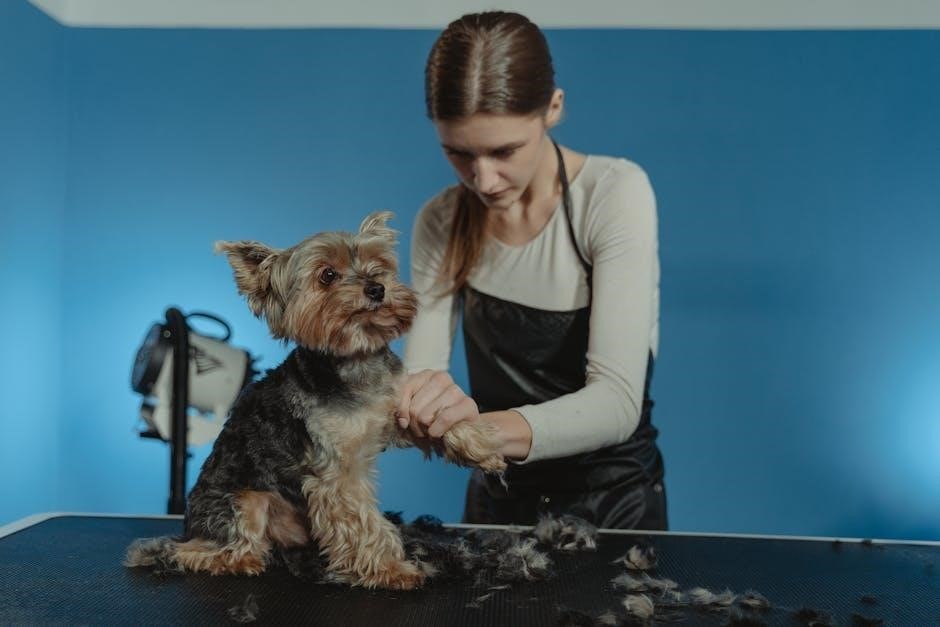
C. Rinsing Thoroughly: Avoiding Soap Residue
Rinsing is arguably the most crucial step in the bathing process. Residual shampoo can cause skin irritation, dryness, and even contribute to matting. Don’t assume a quick rinse is sufficient – it takes time and effort to remove all traces of soap!
Begin rinsing from the head, carefully avoiding the eyes and ears. Use a showerhead with adjustable pressure to reach all areas of the coat. Continue rinsing until the water runs completely clear, with no sign of suds or discoloration. Pay special attention to areas where shampoo tends to accumulate, such as the armpits and groin.
A helpful technique is to lift and separate sections of the coat while rinsing, ensuring water penetrates through all layers. Double-check areas like the paws and tail base. If you’re unsure, rinse again – it’s better to be safe than sorry. Soap residue is a common cause of skin problems in PWDs.
D. Conditioning & Post-Bath Drying Techniques
Following a thorough rinse, apply a PWD-specific conditioner. This replenishes moisture lost during shampooing and helps detangle the coat, making brushing easier. Distribute the conditioner evenly, focusing on the ends of the hair. Allow it to sit for the recommended time – usually 2-5 minutes – before rinsing again, ensuring all traces are removed.
Drying is critical to prevent matting. Avoid vigorous rubbing with a towel, as this can create tangles. Instead, gently blot the coat to remove excess water. A high-velocity dryer is ideal for PWDs, as it blasts water from the coat and helps straighten the curls.
Use a cool or lukewarm setting to avoid overheating the skin. Brush while drying to further detangle and encourage a fluffy finish. Ensure the coat is completely dry before allowing your PWD to roam freely, as damp fur is prone to matting. A final brush-out will complete the process.
IV. Clipping & Scissoring Techniques
Clipping and scissoring are essential for shaping the PWD coat. Begin with a clean, dry, and thoroughly brushed coat. Choose clippers and blades appropriate for the desired length and style – typically, a #10 or #7 blade is used for body clipping, but this varies. Always clip with the grain of the hair to avoid irritation.
Scissoring refines the clip and creates softer lines. Straight shears are used for outlining, while curved shears add texture and blend layers. Thinning shears remove bulk and soften edges. Practice is key to mastering these techniques!
Consider the desired aesthetic: a practical pet clip, a playful teddy bear cut, or a more formal show trim. Regardless of the style, prioritize comfort and functionality. Regular trimming – every 6-8 weeks – maintains the shape and prevents overgrowth. Safety first: always be mindful of skin folds and sensitive areas.
A. Body Clipping: Length & Style Options
The body clip significantly impacts the PWD’s overall appearance and maintenance level. Length options range from a short, practical shave (#10 blade – approximately 1/16 inch) ideal for active dogs, to a longer, more flowing coat (#7 blade – approximately 1/8 inch) offering a softer look.
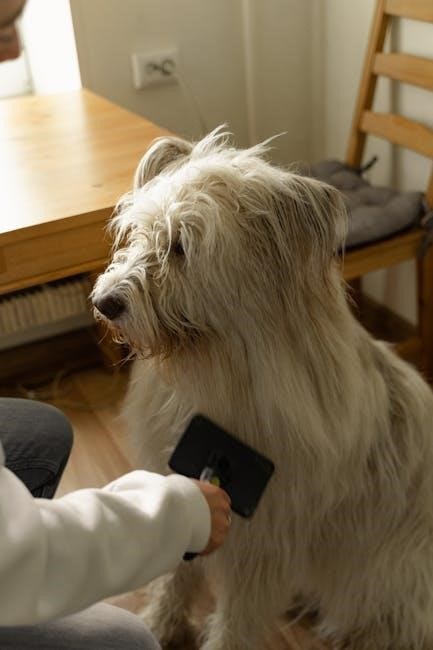
Popular styles include the kennel clip, a uniform short length across the body, and the lamb clip, which maintains a slightly longer coat, particularly on the legs and back. A modified continental clip, often seen in show dogs, features a shaved body with pom-poms on the legs and hips.
Consider your lifestyle and the dog’s activity level. Shorter clips require less maintenance but offer less insulation. Longer clips look elegant but demand more frequent brushing to prevent matting. Always blend the clip smoothly into other areas of the body for a natural finish. Remember to check for skin sensitivities before and during the clipping process.
B. Leg & Foot Grooming: Teddy Bear vs. Show Cut
Leg and foot grooming dramatically alters the PWD’s silhouette. The “Teddy Bear” cut prioritizes a rounded, fluffy appearance, achieved by leaving a substantial amount of hair on the legs, scissored into a soft, even shape. This is a popular choice for pet owners desiring a low-maintenance, adorable look.
Conversely, the “Show Cut” demands precision and adherence to breed standards. Legs are typically shaped to appear straight and column-like, with distinct, rounded feet. This often involves careful scissoring and blending to create a polished, elegant profile. Pom-poms are frequently added at the top of the legs for a classic show aesthetic.
Foot grooming is crucial in both styles. Hair between the pads must be carefully trimmed to prevent dirt accumulation and maintain traction. Pay attention to the angle of the foot when scissoring to enhance the overall leg structure. Regular maintenance is key to preserving the desired shape and preventing overgrowth.
C. Head & Face Grooming: Muzzle, Ears & Eyes
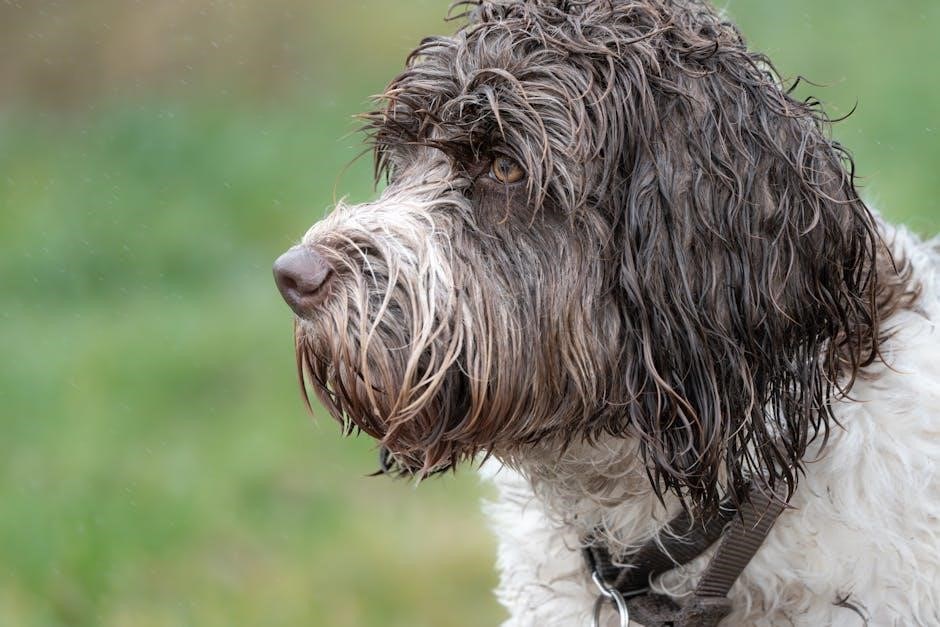
Grooming the PWD’s head requires a delicate touch and attention to detail. The muzzle is typically kept relatively short, blending smoothly into the longer hair of the face. Avoid creating harsh lines; instead, focus on a soft, rounded appearance. Regularly check for and remove any food debris trapped in the beard.
Ear grooming is vital for hygiene and preventing infections. Hair inside the ear canal should be carefully plucked or trimmed to promote airflow. Be extremely cautious when working near the ear canal and avoid inserting anything too deeply. Clean the outer ear with a veterinarian-approved ear cleaning solution.
Around the eyes, keep the hair trimmed short to prevent irritation and maintain clear vision. Use blunt-nosed scissors for safety. Regularly wipe away any tear stains with a damp cloth. A well-groomed face enhances the PWD’s expressive features and contributes to their overall health and comfort.
D. Tail Grooming: Pom-Pom, Flag, or Natural
The PWD tail offers several stylistic options, each requiring different grooming techniques. A “pom-pom” tail involves leaving a full, rounded puff of hair at the end, achieved through careful scissoring and shaping. This is a popular choice for a playful look.
A “flag” tail is longer and more streamlined, with hair gradually tapering to the tip. This style requires regular brushing to prevent tangles and maintain a neat appearance. It’s often favored for a more elegant aesthetic.
A “natural” tail maintains the tail’s inherent shape with minimal trimming. This option is best suited for owners who prefer a low-maintenance approach. Regardless of the chosen style, ensure the tail is free of mats and tangles. Pay attention to the underside of the tail, as this area can easily accumulate debris. Regular grooming prevents discomfort and keeps the tail looking its best.
V. Ongoing Maintenance & Preventative Care
Consistent care is vital for a healthy PWD coat and overall well-being. Daily brushing, even for just a few minutes, prevents matting and distributes natural oils, promoting a shiny coat. Regular ear cleaning – ideally weekly – prevents infections common in floppy-eared breeds.
Nail trimming should be performed every 2-3 weeks, or as needed, to maintain paw health and prevent discomfort. Dental hygiene is equally important; daily brushing and dental chews help prevent tartar buildup and gum disease.
Proactive care minimizes potential issues. Don’t hesitate to seek professional grooming every 4-8 weeks, depending on your dog’s coat growth and your chosen style. A professional groomer can address any concerns and provide expert advice. Early detection of skin issues or parasites is crucial; regularly check your PWD’s skin for any abnormalities and consult your veterinarian promptly.
A. Daily Brushing: Preventing Mats & Tangles
Establishing a daily brushing routine is the cornerstone of PWD coat maintenance. Even a quick five to ten-minute session each day dramatically reduces the likelihood of painful mats and tangles forming within the curly coat. Focus on areas prone to matting, such as behind the ears, under the legs, and around the tail base.
Utilize a slicker brush to remove loose hair and detangle gently. Follow with a metal comb to ensure you’ve reached the skin and haven’t missed any knots. Pay attention to any resistance; forcing a brush through a tangle can cause discomfort and skin irritation.
Consistency is key! Regular brushing not only prevents mats but also stimulates blood circulation, promoting a healthy skin and coat. It’s also a wonderful bonding experience for you and your PWD. Make it a positive experience with treats and praise, and your dog will learn to enjoy their daily grooming session.
B. Ear Cleaning: Preventing Infections
PWDs, with their floppy ears, are particularly susceptible to ear infections. The ear canal’s shape traps moisture and debris, creating a breeding ground for bacteria and yeast. Regular ear cleaning is therefore a vital part of their preventative care routine.
Use a veterinarian-approved ear cleaning solution specifically formulated for dogs. Never insert anything solid, like cotton swabs, into the ear canal, as this can push debris further in and cause damage. Instead, gently fill the ear canal with the cleaning solution, massage the base of the ear, and then allow your dog to shake their head.
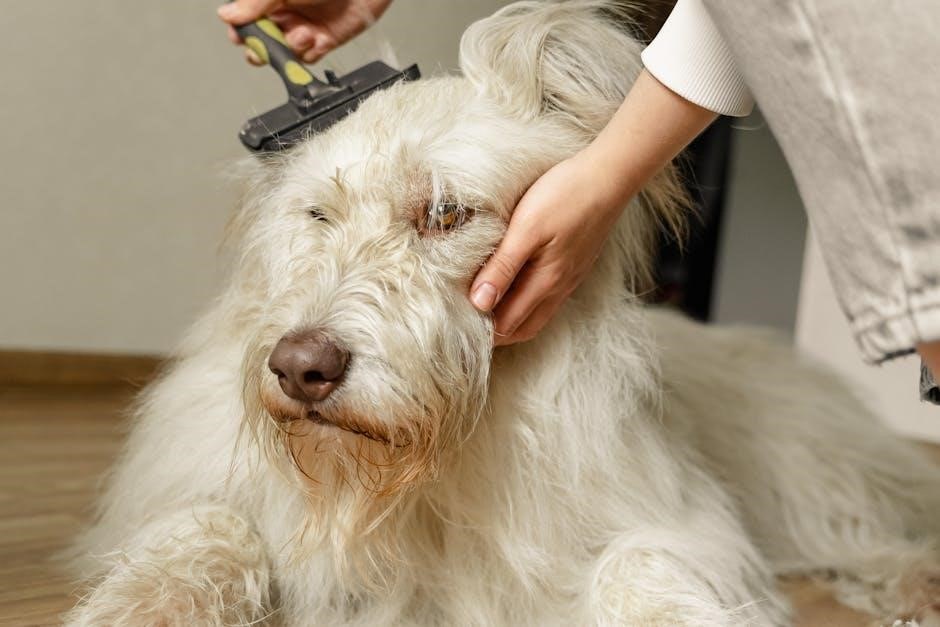
Wipe away any visible debris from the outer ear with a soft cloth or cotton ball. Repeat if necessary until the cloth comes away clean. Frequency depends on your dog’s activity level and ear conformation – typically weekly or bi-weekly is sufficient, but consult your vet for personalized advice. Watch for signs of infection, such as redness, swelling, discharge, or a foul odor, and seek veterinary attention immediately.
C. Nail Trimming: Maintaining Paw Health
Regular nail trimming is essential for your PWD’s comfort and mobility. Overgrown nails can cause pain, alter their gait, and even lead to skeletal problems. They can also split or snag, causing injury. Aim to trim your PWD’s nails every 2-3 weeks, or as needed.
Use dog-specific nail clippers – either guillotine or scissor-style – and be cautious of the “quick,” the pink part of the nail containing blood vessels and nerves. Cutting into the quick is painful and will cause bleeding. If your dog has dark nails, trim small amounts at a time until you see a small black dot in the center of the cut surface; this indicates you’re getting close to the quick.
If you accidentally cut the quick, apply styptic powder immediately to stop the bleeding. If you’re uncomfortable trimming your PWD’s nails yourself, don’t hesitate to ask your veterinarian or a professional groomer for assistance. Maintaining proper nail length promotes healthy paws and a happy, active dog!
D. Dental Hygiene: Brushing & Dental Chews
Maintaining good dental hygiene is crucial for your PWD’s overall health. Dental disease can lead to pain, infection, and even systemic health problems like heart and kidney disease. Ideally, you should brush your PWD’s teeth daily with a dog-specific toothbrush and toothpaste – never use human toothpaste, as it contains ingredients toxic to dogs.
Start slowly, introducing the taste of the toothpaste first, then gradually introduce the brush. Focus on the outer surfaces of the teeth, where plaque and tartar build up most readily. If daily brushing isn’t feasible, aim for at least 2-3 times per week.
In addition to brushing, dental chews can help reduce plaque and tartar buildup. Choose chews specifically designed for dental health and appropriate for your PWD’s size and chewing habits. Regular veterinary dental checkups are also essential for identifying and addressing any dental issues early on. A healthy mouth equals a happy PWD!
E. Professional Grooming Schedule: When to Seek Help
Even with diligent home grooming, professional grooming is vital for your PWD’s coat health and overall well-being. A professional groomer can provide a thorough deep clean, expertly clip and scissor the coat, and identify potential skin issues you might miss.
Generally, a full groom every 6-8 weeks is recommended. However, this can vary depending on your PWD’s coat growth rate and lifestyle. If your dog is very active or spends a lot of time outdoors, more frequent grooming may be necessary.
Don’t hesitate to seek professional help if you encounter severe matting, skin irritations, or are uncomfortable performing certain grooming tasks yourself. A skilled groomer can safely and effectively address these concerns. Look for a groomer experienced with PWDs or doodle breeds, as their unique coat requires specialized knowledge. Regular professional grooming contributes significantly to a happy and healthy PWD!